
Get to know a neighborhood through an ordinary walk
Step beyond the viewing route to understand distances, access, and everyday services.
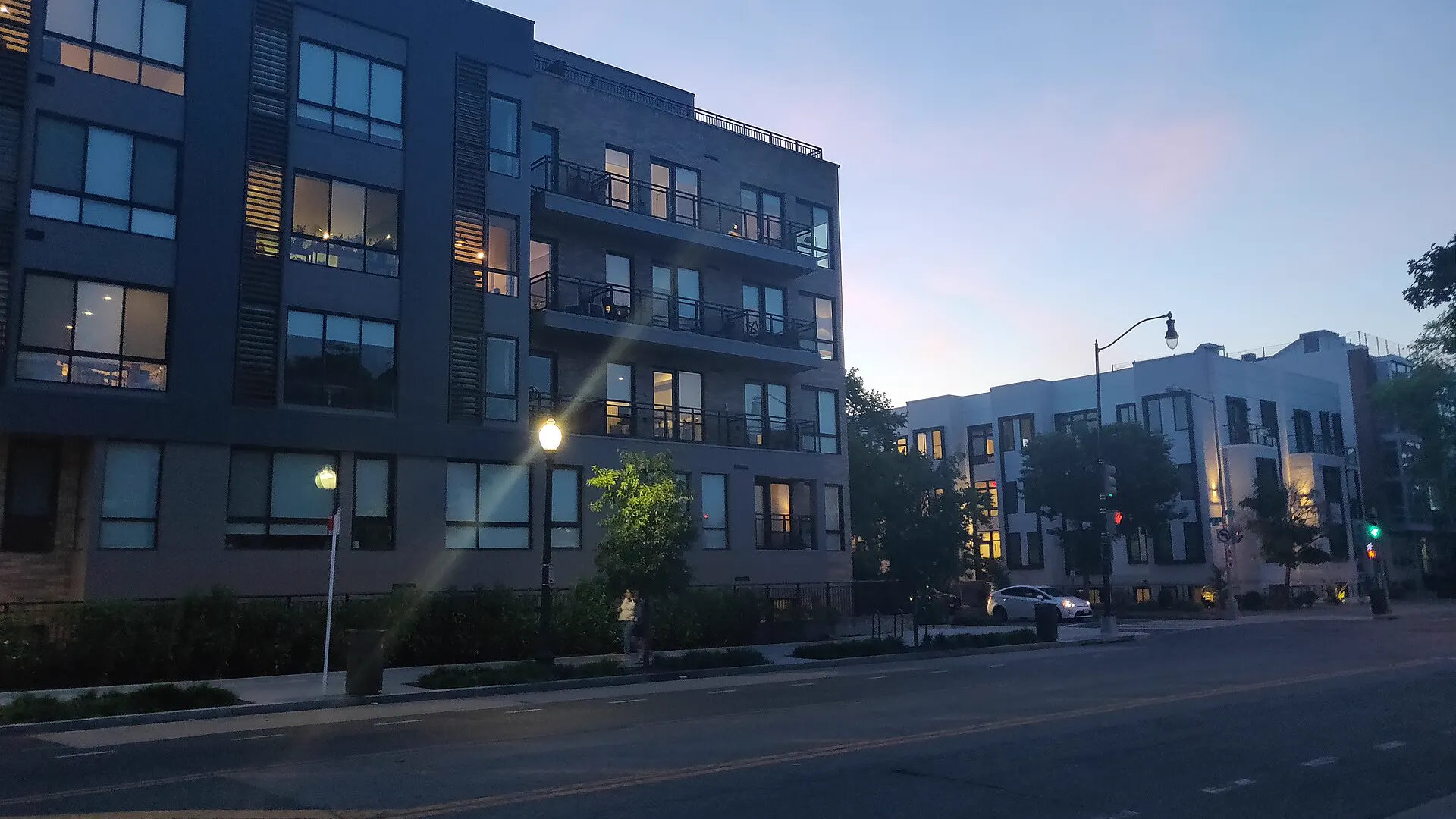
A home's address does not explain what everyday life around it feels like. Try a neighborhood route you would actually use during the week.
Choose a useful journey
Walk to a shop, a transit stop, or somewhere you would collect a delivery. Notice crossings, sidewalks, slopes, and entrances. If you use a wheelchair, push a stroller, or carry groceries, consider the route with those needs in mind.
The distance on a map does not always represent the effort involved. A closed entrance or an awkward crossing can change the trip considerably.
Look at more than one time
If possible, return at different times. Note business activity, traffic, and the sounds you hear without turning a short visit into an absolute judgment about the area.
Ask about concrete schedules and services. “When does the bus run?” is more useful than a broad neighborhood rating. Avoid judging a place by residents' appearance or background.
Compare it with your current routine
Make a short list of what would improve and what would become less convenient. You might gain a nearby park but have a longer journey to work.
The aim is not to find a perfect neighborhood. It is to understand the trade-offs before moving all your boxes.