
A home's light changes throughout the day
A large window does not tell the whole story. The time of your visit matters too.
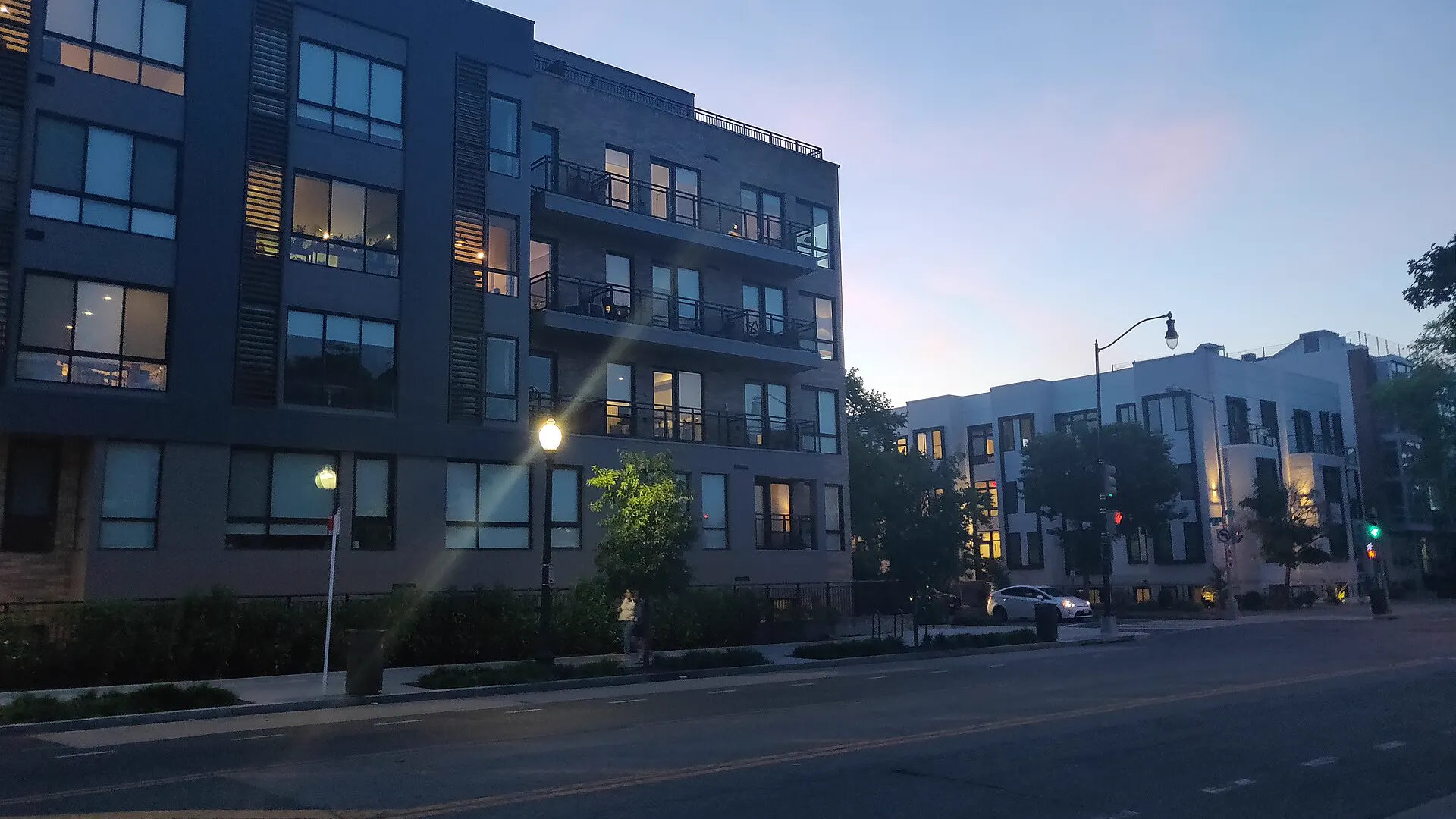
An apartment can look bright in midmorning and feel quite different late in the afternoon. The light you see during a viewing is a sample, not the whole day.
Note when you are visiting
Record the time and whether the sky is clear or overcast. Notice which rooms receive direct light and which borrow brightness from another space. Nearby buildings, balconies, and trees are part of the picture.
If a second visit is possible, look again at the places where you would spend the most time. You do not need to chase a supposedly perfect orientation. What matters is how the light fits your habits.
Picture activities, not just views
Imagine reading on the sofa, preparing food, or taking a video call. A window behind your screen can be awkward even if it looks beautiful in a photograph. Ask which curtains or blinds are included.
More light does not automatically mean more comfort in every situation. Reflections, privacy, and personal preferences affect how you use a room.
Photograph without exaggerating
If you take photos, avoid filters that brighten shadows until the differences between areas disappear. Include a view from the back of the room and another looking inward from the window.
When comparing homes, write something observable: “the kitchen gets daylight at ten” is more useful than “very bright.”